
QuEChERS Sample Preparation Method
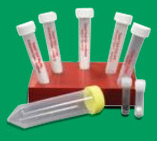
QuEChERS is a type of dispersive solid phase extraction (dSPE) used for sample preparation. QuEChERS stands for ‘Quick, Easy, Cheap, Effective, Rugged and Safe’. Originally developed to prepare fruit and vegetable samples for pesticide residue analysis, this method is now used to analyze other chemical classes, including PAHs (polycyclic aromatic hydrocarbons), PCBs (polychlorinated biphenyls), PBDEs (polybrominated diphenyl ethers), and flame retardants. The concept was introduced in 2002 and is now specified in official methods of the Association of Analytical Communities (AOAC 2007.01) and European Committee for Standardization (EN 15662:2008).
Related Technical Articles
- Supel™ QuE Verde combines a novel carbon with zirconia coated silica (Z-Sep+) to provide an optimum balance between planar pesticide recovery and color removal.
- 2-layer SPE cartridge efficiently reduces background for ginger contaminant analysis.
- Pistachios 45% fat complicates pesticide analysis. But Z-Sep+ sorbent cleanup after QuEChERS extraction can reduce background for reliable results.
- HPLC-DAD workflow analyzes 14 cannabinoids in hemp extracts in 10 minutes using Chromolith columns for robust performance.
- Find more about the analysis of 16 PFAS in salmon via QuEChERS extraction and LC-MS/MS characterization following FDA Method C-010.02.
- See All (6)
Related Protocols
- HPLC-UV analysis of active compounds in marijuana-infused edibles for potency testing; complex matrix requires precise methods.
- A short abstract on a method using QuEChERS and GC/MS/MS for determination of fipronil & fipronil sulfone.
- Analysis of banned neonicotinoid insecticides from dandelion blossoms using QuEChERS and LC-MS.
- QuEChERS method for pesticide residue analysis requires only small quantities of solvent and is capable of generating recoveries of 70-120% with RSDs <5% for a wide range of compounds.
- Complete workflow for the comprehensive analysis of terpenes in cannabis
- See All (9)
QuEChERS Sample Extraction
Solvent extraction techniques are designed to achieve maximum analyte yield from the base matrix. Analytes of interest are extracted from the sample matrix using water-miscible solvents (usually acetonitrile) and high concentrations of salt and/or buffering agents. Solvent selection is important to minimize compound co-extraction. Salts are used in the extraction step to create phase separation. They act as buffers to adjust the pH and remove water from the sample.
QuEChERS Cleanup
Sample cleanup reduces interference during subsequent analysis, as interference can damage analytical instrumentation and complicate analyte identification and quantification. Unlike traditional sample cleanup methods using SPE tubes, in QuEChERS, cleanup is facilitated by mixing bulk amounts of SPE sorbents with the sample extract. Sorbents used in clean up remove matrix interferences that coextract with analytes of interest. The use of PSA, C18 or GCB (graphitized carbon black) sorbents remove sugars, lipids, sterols, organic acids, proteins, carotenoids, chlorophyll, and other pigments prior to a GC-MS/MS or LC-MS/MS analysis. Special Z-Sep sorbents may be needed to cleanup difficult matrices containing pigments or fat.
To continue reading please sign in or create an account.
Don't Have An Account?