
411744

1,4-Butanediol diacrylate
technical grade, contains ~75 ppm hydroquinone as inhibitor
Synonym(s):
1,4-Bis(acryloyloxy)butane, Tetramethylene diacrylate
Select a Size
About This Item
grade
technical grade
Quality Level
assay
87%
form
liquid
contains
~75 ppm hydroquinone as inhibitor
refractive index
n20/D 1.456 (lit.)
bp
83 °C/0.3 mmHg (lit.)
density
1.051 g/mL at 25 °C (lit.)
storage temp.
2-8°C
SMILES string
C=CC(=O)OCCCCOC(=O)C=C
InChI
1S/C10H14O4/c1-3-9(11)13-7-5-6-8-14-10(12)4-2/h3-4H,1-2,5-8H2
InChI key
JHWGFJBTMHEZME-UHFFFAOYSA-N
General description
Application
- As a precursor to synthesize joint-linker hydrogels with good mechanical strength and used as scaffold materials in bone tissue engineering as biomimetics for natural tissues and also in drug delivery systems.
- To prepare anti-fouling coating for dental composites.
- As a crosslinking agent to prepare hydrophobic acrylic intraocular lens(IOL) materials with reduced glistening.
- As a precursor to fabricate poly(β-amino ester) based solid polymer electrolytefilms for Li-ion batteries. BDDA enhances the ionic conductivity of theelectrolyte films.
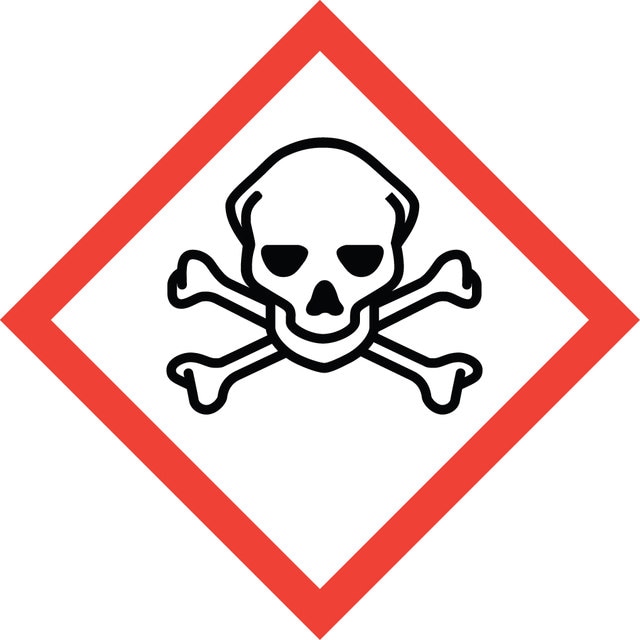
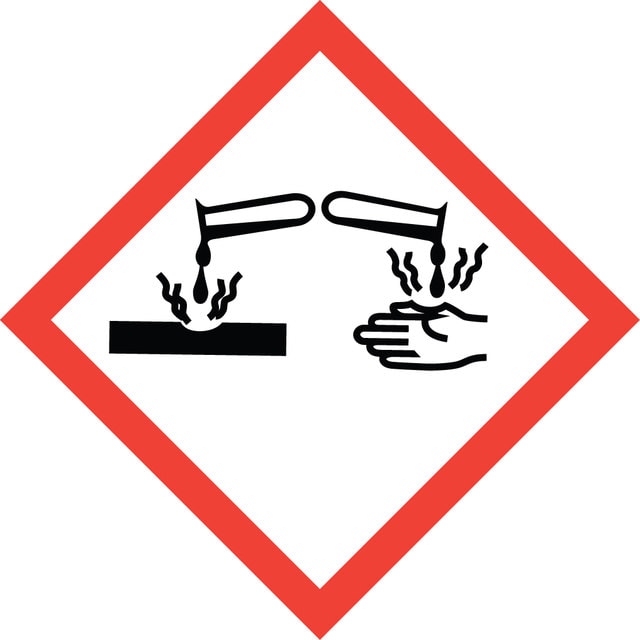
signalword
Danger
Hazard Classifications
Acute Tox. 3 Dermal - Acute Tox. 4 Inhalation - Acute Tox. 4 Oral - Aquatic Chronic 3 - Eye Dam. 1 - Skin Corr. 1B - Skin Sens. 1A
Storage Class
6.1A - Combustible acute toxic Cat. 1 and 2 / very toxic hazardous materials
wgk
WGK 2
flash_point_f
>235.4 °F
flash_point_c
> 113 °C
Choose from one of the most recent versions:
Already Own This Product?
Find documentation for the products that you have recently purchased in the Document Library.
Articles
Discussion of synthetic modifications to gelatin, improving the three-dimensional (3D) print resolution, and resulting material properties.
Global Trade Item Number
| SKU | GTIN |
|---|---|
| 411744-1L | 04061837406249 |
| 411744-100ML | 04061832073552 |
| 411744-25ML | 04061837406256 |