
725765

2-Methyl-4-isothiazolin-3-one
95%
Synonym(s):
2-Methyl-3(2H)-isothiazolone
Sign In to View Organizational & Contract Pricing.
Select a Size
Change View
About This Item
Empirical Formula (Hill Notation):
C4H5NOS
CAS Number:
Molecular Weight:
115.15
UNSPSC Code:
12352100
NACRES:
NA.21
PubChem Substance ID:
EC Number:
220-239-6
Beilstein/REAXYS Number:
606203
MDL number:
Assay:
≥94.0% (GC), 95%
Form:
lumps
Quality Level
assay
≥94.0% (GC), 95%
form
lumps
impurities
≤5% water
SMILES string
CN1SC=CC1=O
InChI
1S/C4H5NOS/c1-5-4(6)2-3-7-5/h2-3H,1H3
InChI key
BEGLCMHJXHIJLR-UHFFFAOYSA-N
Application
- Insights into the mechanisms of within-species variation in sensitivity to chemicals: A case study using daphnids exposed to CMIT/MIT biocide.: This study investigates the differential sensitivity of daphnids to 2-Methyl-4-isothiazolin-3-one, highlighting the biochemical mechanisms underlying these variations. The findings provide crucial insights for environmental safety assessments (Kim et al., 2023).
- Effects of the biocide methylisothiazolinone on Xenopus laevis wound healing and tail regeneration.: The study assesses the impact of 2-Methyl-4-isothiazolin-3-one on regenerative processes in amphibians, contributing to the understanding of its biological effects and potential toxicity (Delos Santos et al., 2016).
- T cell lymphomatoid contact dermatitis: a challenging case and review of the literature.: This review includes discussions on 2-Methyl-4-isothiazolin-3-one-induced contact dermatitis, providing valuable information for dermatological applications and safety assessments (Knackstedt and Zug, 2015).
Disclaimer
The product is not intended for use as a biocide under global biocide regulations, including but not limited to US EPA′s Federal Insecticide Fungicide and Rodenticide Act, European Biocidal Products Regulation, Canada’s Pest Management Regulatory Agency, Turkey’s Biocidal Products Regulation, Korea’s Consumer Chemical Products and Biocide Safety Management Act (K-BPR) and others.
Still not finding the right product?
Explore all of our products under 2-Methyl-4-isothiazolin-3-one
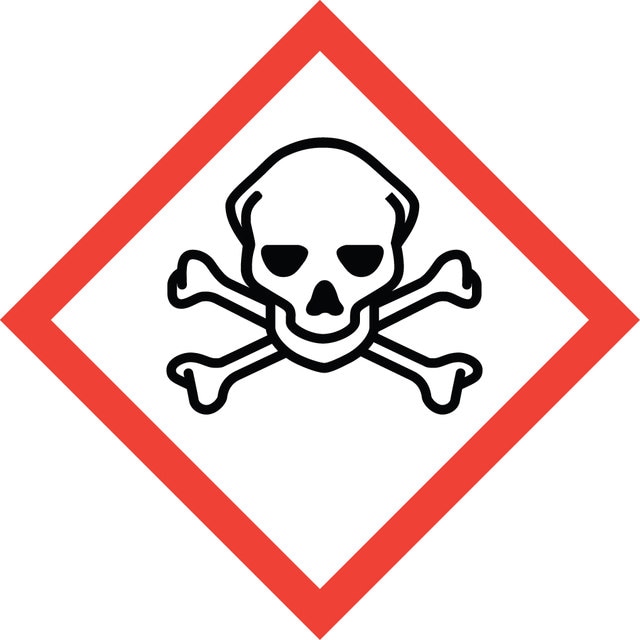

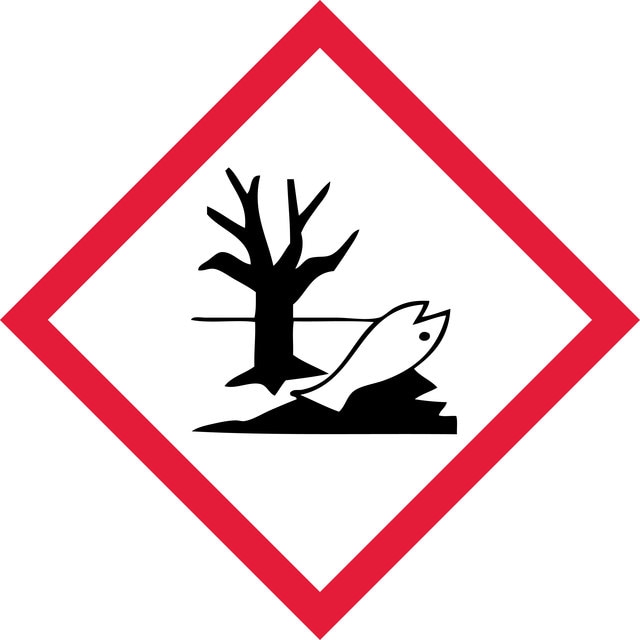
signalword
Danger
Hazard Classifications
Acute Tox. 2 Inhalation - Acute Tox. 3 Dermal - Acute Tox. 3 Oral - Aquatic Acute 1 - Aquatic Chronic 1 - Eye Dam. 1 - Skin Corr. 1B - Skin Sens. 1A
supp_hazards
Storage Class
6.1A - Combustible acute toxic Cat. 1 and 2 / very toxic hazardous materials
wgk
WGK 3
flash_point_f
Not applicable
flash_point_c
Not applicable
ppe
dust mask type N95 (US), Eyeshields, Faceshields, Gloves, type P3 (EN 143) respirator cartridges
Choose from one of the most recent versions:
Already Own This Product?
Find documentation for the products that you have recently purchased in the Document Library.
Christina L Burnett et al.
International journal of toxicology, 29(4 Suppl), 187S-213S (2010-07-22)
Methylisothiazolinone (MIT) is a heterocyclic organic compound used as a preservative in cosmetics and personal care products in concentrations up to 0.01%. MIT is a colorless, clear liquid with a mild odor that is completely soluble in water; mostly soluble
Eleanor Higgins et al.
Dermatitis : contact, atopic, occupational, drug, 24(2), 73-76 (2013-03-12)
The isothiazolinones methylchloroisothiazolinone and methylisothiazolinone (MCI/MI) are the active ingredients in a frequently used preservative in cosmetic, household, and industrial products. This study reviewed our department's cases of allergic contact dermatitis caused by MCI/MI, outlining their clinical presentation and possible
A Spawn et al.
Neuroscience, 205, 194-204 (2012-01-17)
Methylisothiazolinone (MIT) is a commonly used biocide known to be neurotoxic in vitro. Brief exposure of cortical neurons in culture to MIT results in increased neurodegeneration, whereas chronic exposure of developing neurons in culture to low concentrations of MIT has
Global Trade Item Number
| SKU | GTIN |
|---|---|
| 725765-25G | 04061832861906 |
| 725765-5G | 04061832861920 |