
82320

(±)-Propylene oxide
puriss. p.a., ≥99.5% (GC)
Synonym(s):
(±)-Methyloxirane, 1,2-Epoxypropane
Select a Size
About This Item
vapor density
2 (vs air)
Quality Level
vapor pressure
29.43 psi ( 55 °C), 8.59 psi ( 20 °C)
grade
puriss. p.a.
assay
≥99.5% (GC)
form
liquid
autoignition temp.
1378 °F
expl. lim.
37 %
impurities
≤0.1% water
evapn. residue
≤0.005%
refractive index
n20/D 1.366
bp
34 °C (lit.)
mp
−112 °C (lit.)
density
0.83 g/mL at 25 °C (lit.)
cation traces
Al: ≤0.5 mg/kg, Ba: ≤0.1 mg/kg, Bi: ≤0.1 mg/kg, Ca: ≤0.5 mg/kg, Cd: ≤0.05 mg/kg, Co: ≤0.02 mg/kg, Cr: ≤0.02 mg/kg, Cu: ≤0.02 mg/kg, Fe: ≤0.1 mg/kg, K: ≤0.5 mg/kg, Li: ≤0.1 mg/kg, Mg: ≤0.1 mg/kg, Mn: ≤0.02 mg/kg, Mo: ≤0.1 mg/kg, Na: ≤0.5 mg/kg, Ni: ≤0.02 mg/kg, Pb: ≤0.1 mg/kg, Sr: ≤0.1 mg/kg, Zn: ≤0.1 mg/kg
shipped in
wet ice
storage temp.
2-8°C
SMILES string
CC1CO1
InChI
1S/C3H6O/c1-3-2-4-3/h3H,2H2,1H3
InChI key
GOOHAUXETOMSMM-UHFFFAOYSA-N
General description
Application
- Poly(3-hydroxybutyrate), a biodegradable and biocompatible polyester, by carbonylative polymerization.
- Poly (propylene-ram-ε-caprolactone carbonate) (PPCL) and poly (propylene carbonate) (PPC), which are applicable as drug carriers.
Still not finding the right product?
Explore all of our products under (±)-Propylene oxide
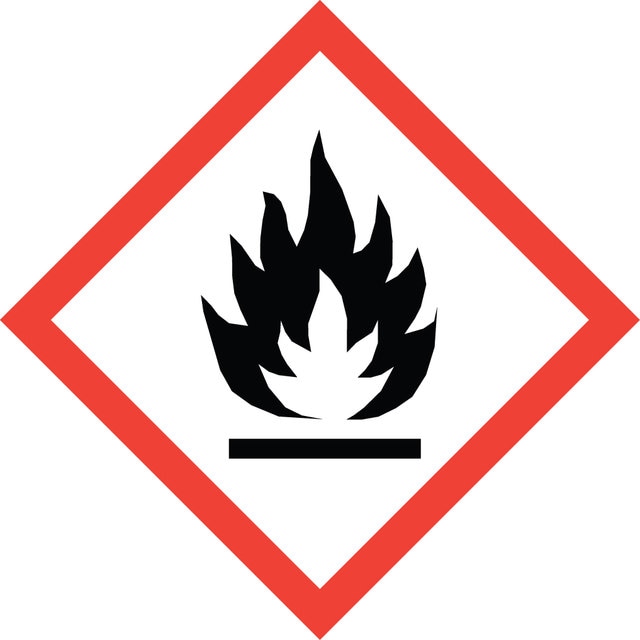
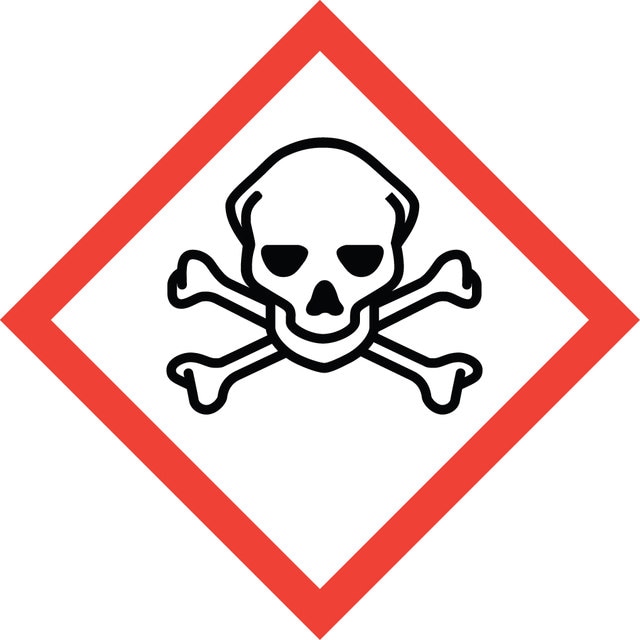
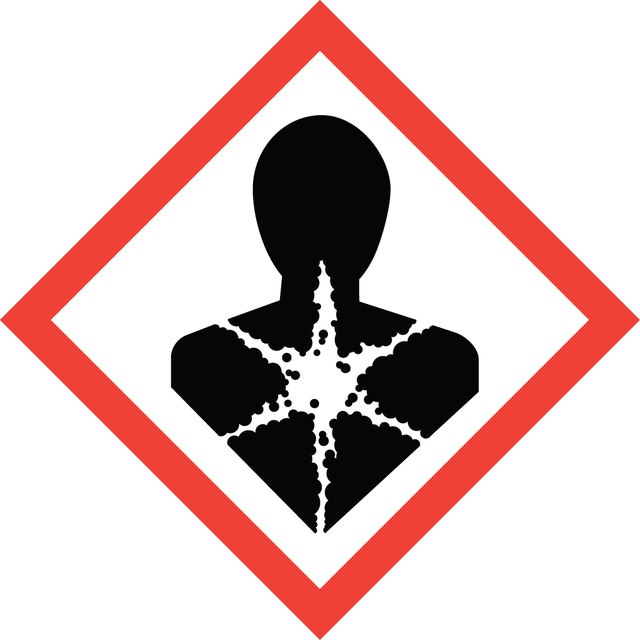
signalword
Danger
Hazard Classifications
Acute Tox. 3 Dermal - Acute Tox. 3 Inhalation - Acute Tox. 4 Oral - Carc. 1B - Eye Irrit. 2 - Flam. Liq. 1 - Muta. 1B - STOT SE 3
target_organs
Respiratory system
Storage Class
3 - Flammable liquids
wgk
WGK 3
flash_point_f
-36.4 °F - Equilibrium method
flash_point_c
-38 °C - Equilibrium method
ppe
Faceshields, Gloves, Goggles
Regulatory Information
This item has
Choose from one of the most recent versions:
Already Own This Product?
Find documentation for the products that you have recently purchased in the Document Library.