
Skip to Content
Merck
CN

N5893

(±)-Naringenin

≥95%

Synonym(s):

(±)-2,3-Dihydro-5,7-dihydroxy-2-(4-hydroxyphenyl)-4H-1-benzopyran-4-one, 4′,5,7-Trihydroxyflavanone

Sign In to View Organizational & Contract Pricing.

Select a Size

Change View

About This Item

Empirical Formula (Hill Notation):
C15H12O5
CAS Number:
Molecular Weight:
272.25
NACRES:
NA.22
PubChem Substance ID:
UNSPSC Code:
12352100
EC Number:
266-769-1
MDL number:
Assay:
≥95%
Form:
powder
Technical Service
Need help? Our team of experienced scientists is here for you.
Let Us Assist


Quality Level

assay

≥95%

form

powder

mp

247-250 °C (lit.)

SMILES string

OC1=CC=C(C=C1)C(C2)OC3=CC(O)=CC(O)=C3C2=O

InChI

1S/C15H12O5/c16-9-3-1-8(2-4-9)13-7-12(19)15-11(18)5-10(17)6-14(15)20-13/h1-6,13,16-18H,7H2

InChI key

FTVWIRXFELQLPI-UHFFFAOYSA-N

Gene Information

human ... CYP1A2(1544)

Application

(±)-Naringenin, a polyphenolic material, is used to prepare nickel(II) naringenin-oxime complex, which can be used as a catalyst for Mizoroki−Heck cross-coupling reaction. It has been used as a hypochlorite scavenger to prevent the formation of chloramines from oxidation of hypochlorite in the human serum albumin. It induces apoptosis in human pancreatic cancer SNU-213 cells. It also shows cytotoxic effects on various human cancer cells such as breast, cervix, stomach, colon and liver cancer cells.


Still not finding the right product?

Explore all of our products under (±)-Naringenin
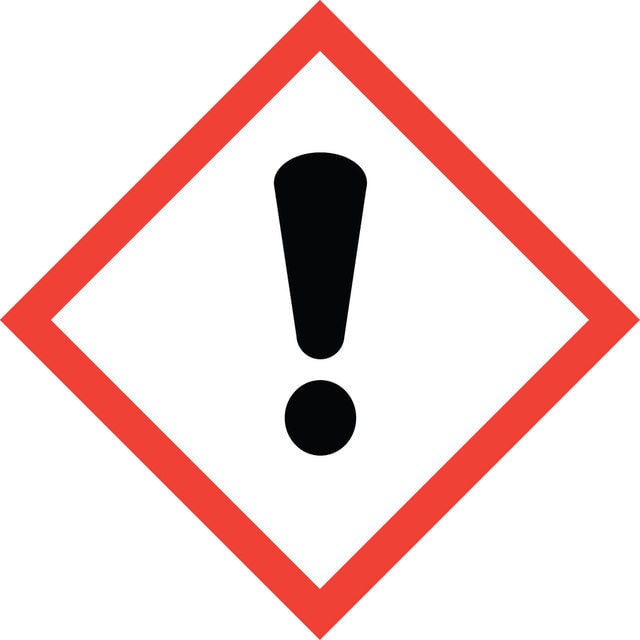

pictograms

Exclamation mark

signalword

Warning

hcodes

Hazard Classifications

Acute Tox. 4 Oral

Storage Class

11 - Combustible Solids

flash_point_f

Not applicable

flash_point_c

Not applicable

ppe

dust mask type N95 (US), Eyeshields, Gloves


Choose from one of the most recent versions:

Certificates of Analysis (COA)

Lot/Batch Number

It looks like we've run into a problem, but you can still download Certificates of Analysis from our Documents section.

If you need assistance, please contact Customer Support

Already Own This Product?

Find documentation for the products that you have recently purchased in the Document Library.

Visit the Document Library


Articles

抗氧化剂可保护生物系统免受含氧自由基和氧化还原过渡金属离子(如铁、铜和镉)引起的氧化损伤。

Antioxidants protect biological systems from oxidative damage produced by oxygen-containing free radicals and from redoxactive transition metal ions such as iron, copper, and cadmium.

Related Content