
W236500

1-Decanol
≥98%, FCC, FG
Synonym(s):
n-Decyl alcohol, Alcohol C10
Select a Size
About This Item
biological source
synthetic
grade
FG, Halal, Kosher
agency
meets purity specifications of JECFA
reg. compliance
EU Regulation 1334/2008 & 178/2002, FCC, FDA 21 CFR 117, FDA 21 CFR 172.515
vapor density
4.5 (vs air)
vapor pressure
1 mmHg ( 70 °C), 8.25 mmHg ( 100 °C)
assay
≥98%
autoignition temp.
550 °F
refractive index
n20/D 1.437 (lit.)
bp
231 °C (lit.)
mp
5-7 °C (lit.)
solubility
ethanol: 60%, clear, colorless (1mL/3mL)
density
0.829 g/mL at 25 °C (lit.)
application(s)
flavors and fragrances
documentation
see Safety & Documentation for available documents
food allergen
coconut
organoleptic
fatty; waxy; fruity; rose
SMILES string
CCCCCCCCCCO
InChI
1S/C10H22O/c1-2-3-4-5-6-7-8-9-10-11/h11H,2-10H2,1H3
InChI key
MWKFXSUHUHTGQN-UHFFFAOYSA-N
General description
Application
- Electroextraction of methylene blue from aqueous environmental samples using paper points coupled with hollow fiber membranes.: This research investigates a novel method for removing methylene blue from water using 1-Decanol. The findings demonstrate the effectiveness of this approach in environmental cleanup applications, emphasizing the versatility of 1-Decanol in extraction processes (Orlando et al., 2024).
- Multi-objective optimization of ternary blends of Algal biodiesel-diesel-1-decanol to mitigate environmental pollution in powering a diesel engine using RSM, ANOVA, and artificial bee colony.: This study explores the use of 1-Decanol in creating eco-friendly fuel blends. The results indicate significant reductions in emissions and improvements in engine performance, demonstrating the environmental benefits of incorporating 1-Decanol in biodiesel formulations (Alruqi et al., 2023).
Still not finding the right product?
Explore all of our products under 1-Decanol
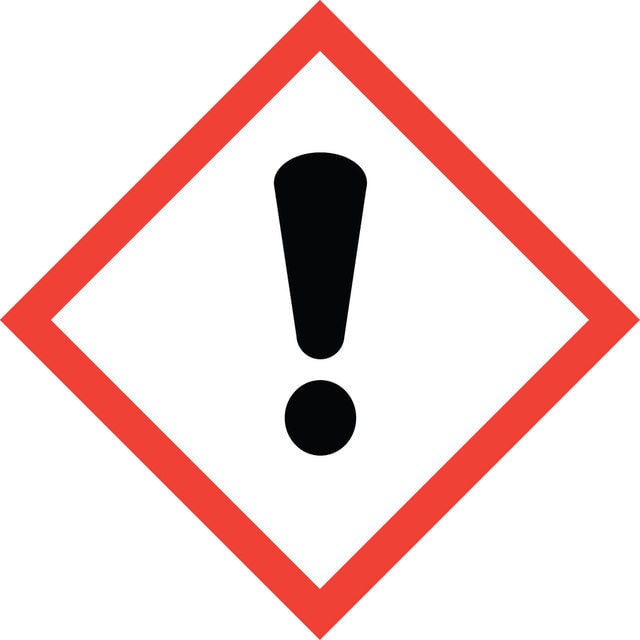
signalword
Warning
hcodes
Hazard Classifications
Aquatic Chronic 3 - Eye Irrit. 2
Storage Class
10 - Combustible liquids
wgk
WGK 1
flash_point_f
203.0 °F - Pensky-Martens closed cup
flash_point_c
95 °C - Pensky-Martens closed cup
ppe
Eyeshields, Faceshields, Gloves, type ABEK (EN14387) respirator filter
Choose from one of the most recent versions:
Already Own This Product?
Find documentation for the products that you have recently purchased in the Document Library.
Related Content
Global Trade Item Number
| SKU | GTIN |
|---|---|
| W236500-8KG-K | 04061837800061 |
| W236500-SAMPLE-K | 04061837800078 |
| W236500-1KG-K | 04061837800047 |
| W236500-20KG-K | 04061837800054 |