
T0632

Sodium thioglycolate
≥96.5% (iodometric)
Synonym(s):
Mercaptoacetic acid sodium salt, Thioglycolic acid sodium salt
Sign In to View Organizational & Contract Pricing.
Select a Size
Change View
About This Item
Linear Formula:
HSCH2COONa
CAS Number:
Molecular Weight:
114.10
UNSPSC Code:
12352201
NACRES:
NA.25
PubChem Substance ID:
EC Number:
206-696-4
Beilstein/REAXYS Number:
4569109
MDL number:
assay
≥96.5% (iodometric)
form
powder
color
white to off-white
useful pH range
6.7 (20 °C, 100 g/L)
mp
>300 °C (lit.)
solubility
water: ~609.1 g/L at 20 °C (OECD Test Guideline 105)
storage temp.
−20°C
SMILES string
[Na+].[O-]C(=O)CS
InChI
1S/C2H4O2S.Na/c3-2(4)1-5;/h5H,1H2,(H,3,4);/q;+1/p-1
InChI key
GNBVPFITFYNRCN-UHFFFAOYSA-M
Application
Sodium thioglycolate has been used:
- as a growth supplement in enrichment media and to study its effect on Arcobacter
- in influenza hemagglutinin formulation in order to reduce disulfide-mediated cross-linking and early potency loss
- in electron microscopy
Biochem/physiol Actions
Sodium thioglycolate acts as reducing agent and is suitable for anaerobic and microaerophilic bacterial growth.
Sodium thioglycolate is a commonly used reagent for bacteriological research to maintain reducing conditions in media. Thioglycolate can also protect enzymes against inactivation by maintaining protein thiol groups in the reduced state. Thioglycolate medium is frequently used in inflammation research to elicit a neutrophil and macrophage response in vivo.
Other Notes
To gain a comprehensive understanding of our extensive range of Monosaccharides for your research, we encourage you to visit our Carbohydrates Category page.
Disclaimer
At room temperature, concentrations over 70% in water tend to form 1-2% thioglycolides per month which hydrolyze to the original free compound when made acidic or alkaline. The 70% solution oxidizes in air but is stable at room temperature when tightly closed. Thioglycolate salts may also lose purity on storage. The exclusion of air does not materially improve stability.
Still not finding the right product?
Explore all of our products under Sodium thioglycolate
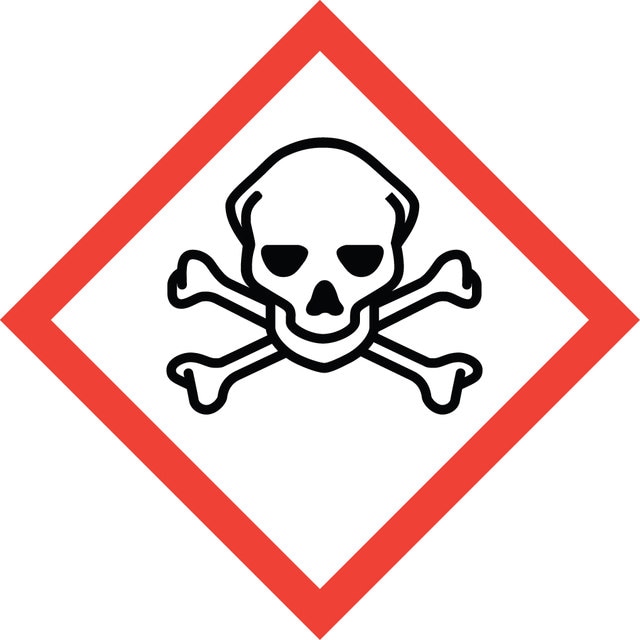
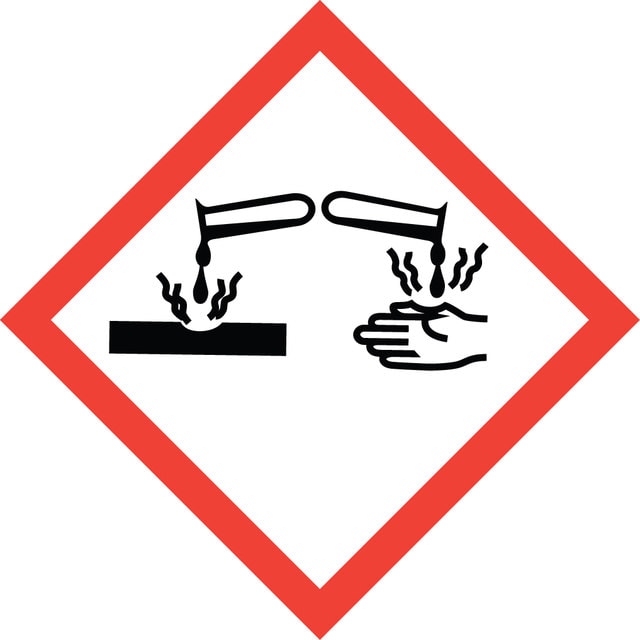
signalword
Danger
hcodes
Hazard Classifications
Acute Tox. 3 Oral - Acute Tox. 4 Dermal - Aquatic Chronic 3 - Met. Corr. 1 - Skin Sens. 1B
Storage Class
6.1C - Combustible acute toxic Cat.3 / toxic compounds or compounds which causing chronic effects
ppe
dust mask type N95 (US), Eyeshields, Gloves
Choose from one of the most recent versions:
Already Own This Product?
Find documentation for the products that you have recently purchased in the Document Library.
Global Trade Item Number
| SKU | GTIN |
|---|---|
| T0632-500G | 04061835367993 |
| T0632-100G | 04061835367979 |
| T0632-25G | 04061835367986 |