
G7651

戊二醛 溶液
Grade I, 50% in H2O, specially purified for use as an electron microscopy fixative or other sophisticated use
别名:
1,5-戊二醛, 五碳双缩醛 溶液
登录 查看组织和合同定价。
选择尺寸
变更视图
关于此项目
线性分子式:
OHC(CH2)3CHO
化学文摘社编号:
分子量:
100.12
UNSPSC Code:
12352114
NACRES:
NA.21
PubChem Substance ID:
MDL number:
Beilstein/REAXYS Number:
605390
Form:
liquid
Quality Level
type
Grade I
form
liquid
concentration
50% in H2O
technique(s)
electron microscopy: suitable (fixative)
color
colorless
mp
-21 °C ((-6 °F))
solubility
water: soluble
shipped in
wet ice
storage temp.
2-8°C
SMILES string
[H]C(CCCC([H])=O)=O
InChI
1S/C5H8O2/c6-4-2-1-3-5-7/h4-5H,1-3H2
InChI key
SXRSQZLOMIGNAQ-UHFFFAOYSA-N
General description
戊二醛是一种饱和二醛,广泛用作化学杀菌剂。戊二醛溶液由固定效率不同的单体和聚合体混合而成。
Application
戊二醛溶液可用于:
- 加入4-(2-羟乙基)-1-哌嗪乙磺酸(HEPES)缓冲液中,将浓缩的胞外囊泡(EV)固定在刀豆蛋白A上,进行扫描电镜(SEM)观察
- 作为溶液组分,固定细胞并观察形态
- 固定水溶液中的大肠杆菌,保持细菌细胞的表面形态
Biochem/physiol Actions
在生物医学研究中,戊二醛用于固定细胞,并可用于分析健康和病理红细胞。
Features and Benefits
- 应用高效安全,适配带透镜仪器、橡胶和塑料
- 对金属无腐蚀性
- 活化后保质期至少14天
Disclaimer
根据全球生物杀灭剂的法规,包括但不限于美国环境保护局的《联邦杀虫剂、杀真菌剂和灭鼠剂法案》、《欧洲生物杀灭剂法规》、 加拿大害虫管理局、土耳其《生物杀灭剂产品法规》、韩国《消费化学产品和生物杀灭剂安全管理法案》(K-BPR),该产品不可用作生物杀灭剂。
Still not finding the right product?
Explore all of our products under 戊二醛 溶液
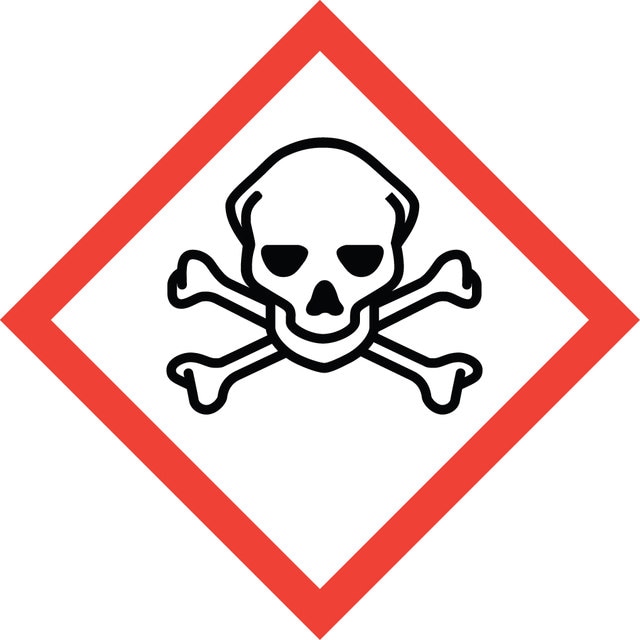
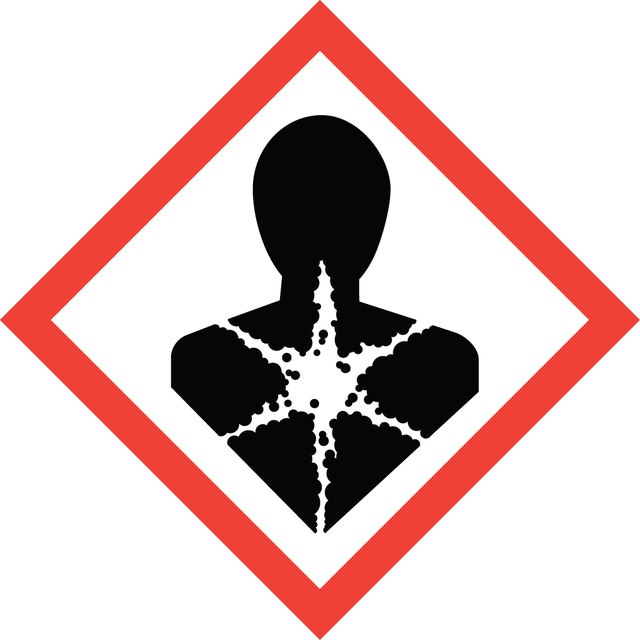
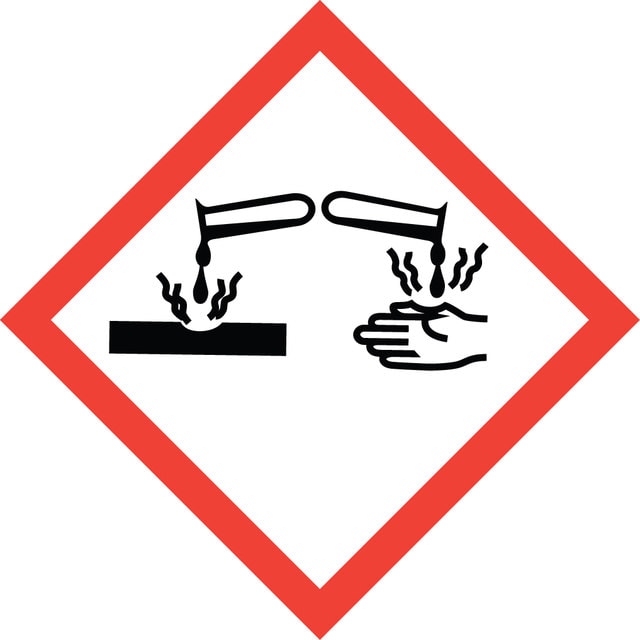
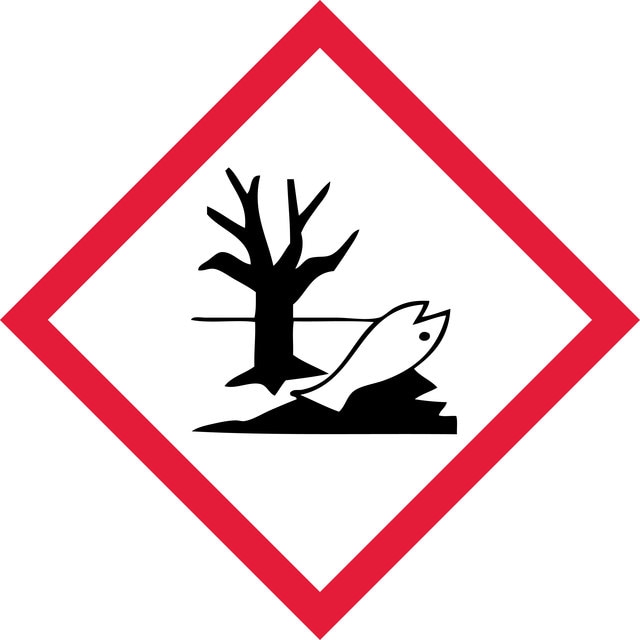
signalword
Danger
Hazard Classifications
Acute Tox. 3 Inhalation - Acute Tox. 4 Oral - Aquatic Acute 1 - Aquatic Chronic 2 - Eye Dam. 1 - Resp. Sens. 1 - Skin Corr. 1B - Skin Sens. 1 - STOT SE 3
target_organs
Respiratory system
supp_hazards
存储类别
6.1A - Combustible acute toxic Cat. 1 and 2 / very toxic hazardous materials
flash_point_f
Not applicable
flash_point_c
Not applicable
相关内容
Three-dimensional (3D) printing of biological tissue is rapidly becoming an integral part of tissue engineering.